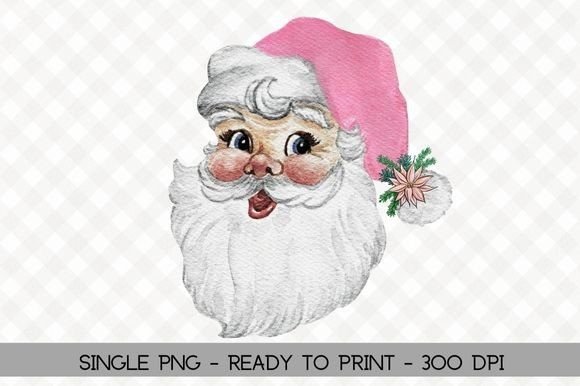
Flat Christmas Card Template: A Designer's Stitch Review
As someone who spends more time staring at stitch maps than actual holiday cards, I approach every new machine embroidery design with a mix of excitement and skepticism. When I first pulled up the Flat Christmas Card Template on my screen, my immediate reaction was one of appreciation for its clean lines. In the world of Illustrations adapted for thread, "flat" often implies a lack of depth, but here it suggests a modern, graphic aesthetic that translates surprisingly well to fabric. This isn't just a digital image; it is a potential cornerstone for a winter collection of handmade products.
The Visual Personality and First Impressions
The layout of this design feels intentional. It avoids the cluttered look of older holiday motifs, opting instead for a streamlined composition that respects the limitations of the needle. The mood is nostalgic yet contemporary, perfect for the current trend of minimalist home decor and boutique apparel. When evaluating the thread colors suggested in the preview, I noticed a balanced palette that should allow for excellent contrast without requiring an excessive number of color changes. For a craft business owner, this efficiency is gold. Less time swapping spools means higher production capacity during the frantic holiday rush.
The shape and theme lend themselves naturally to items that need a clear, readable message or icon. Unlike complex scenic designs that get lost in the texture of a towel, this template holds its ground. It feels like a design that says "holiday" without screaming it, making it versatile enough for a chic boutique or a cozy family gathering.
Real-World Application: The Holiday Tote Scenario
To truly test the viability of the Flat Christmas Card Template, I mentally walked through a specific project: creating a run of custom tote bag designs for a local coffee shop's holiday promotion. The goal was to offer a reusable bag that customers would actually want to keep and use throughout the season, not just discard after New Year's.
Imagining this design stitched onto a heavy canvas tote, the flat nature of the illustration works in our favor. Complex shading can sometimes look muddy on textured canvas, but the bold shapes in this template would pop. If I were producing these as an Etsy seller, I would likely pair this design with a rich forest green or deep burgundy fabric. The visual clarity ensures that the brand logo or accompanying text remains legible from a distance. It transforms a simple bag into a piece of custom apparel adjacent merchandise that carries brand value.
Beyond totes, I can see this working beautifully as sweatshirt embroidery. A left-chest placement on a heather grey crewneck would look professional and understated. The design doesn't overpower the garment; instead, it accents it. This is crucial for small shop products where the quality of the stitching reflects directly on the perceived value of the item. A customer is more likely to trust a brand that pays attention to the details of their finished product.
Navigating Fabric Textures and Hoop Limitations
While the design is strong, a responsible reviewer must address where it might struggle. The "flat" style relies heavily on clean edges. If you attempt to stitch this on a highly textured fabric, like a chunky knit blanket or a looped terrycloth towel, you risk losing the definition of the finer details. In these cases, the stitch density becomes a critical factor. If the design uses dense fill stitch areas, they might sink into high-pile fabrics, causing the image to look distorted.
For baby embroidery projects, such as a onesie or a soft bib, caution is advised regarding the backing. Babies have sensitive skin, so ensuring that the back of the stitching is smooth is non-negotiable. This might require a high-quality cut-away stabilizer that is trimmed close to the edge, or perhaps even a secondary soft backing layer. Similarly, if you are working with stretchy fabrics like jersey knits, the stability of the hoop and the type of stabilizer used will determine whether the design puckers after the first wash.
Another consideration is the hoop size. While the design appears compact, always verify the dimensions against your machine's capabilities, especially if you plan to embroider on curved surfaces like caps. A cap frame requires a specific approach; if the design has elements that extend too close to the edge of its bounding box, you might run into framing issues. Always do a test run on a scrap piece of similar fabric before committing to a client's garment.
Enhancing Value Through Execution
The true power of the Flat Christmas Card Template lies in how it elevates the perceived professionalism of your work. In the competitive landscape of commercial embroidery, consistency is key. Using a design with such a distinct, clean personality helps build brand recognition. Whether it's used for holiday embroidery on kitchen towels or as a central motif on a decorative pillow cover, the execution tells a story of quality.
When a customer receives a personalized gift featuring this design, the crispness of the satin stitch borders and the uniformity of the fills create a sense of luxury. It moves the item from a "homemade craft" to a "bespoke creation." This distinction is vital for creative entrepreneurs looking to justify higher price points. A well-executed design fosters customer trust and encourages repeat business.
Practical Notes for the Studio
Before you dive into production, here are a few technical checkpoints I recommend for any designer utilizing this asset:
- Test on Scraps: Never skip the sample stitch-out. Use the exact fabric and stabilizer combination you plan to use for the final run to check for registration issues.
- Contrast Check: View your digital embroidery file in black and white. If the design loses its shape without color, you may need to adjust thread choices for better definition on dark fabrics.
- Density Review: Inspect the stitch count relative to the size. If the density is too high for lightweight fabrics, consider editing the file to reduce pull and prevent puckering.
- Licensing Verification: Always confirm the license terms. Ensure that the embroidery file allows for commercial use if you intend to sell finished items or include it in a bundle of design assets.
- Detail Inspection: Zoom in on tiny lettering or intricate corners. These are the first places to break down during washing. Ensure they are reinforced or simplified if necessary.
In conclusion, the Flat Christmas Card Template is a robust choice for the modern maker. It bridges the gap between digital illustration and tactile textile art with grace. By respecting its limitations regarding fabric texture and stabilizer needs, you can unlock its full potential for creating stunning embroidered patches, festive home goods, and memorable gifts. It is a reminder that sometimes, the flattest designs create the deepest impact when brought to life through the needle.